He grew up in the Piney Woods of East Texas, in the pine-and-red-clay country where the reservoirs were dammed in the fifties and every one of them ended up with the same arrangement: a highway, a lake, and three quarters of a mile of somebody else's town in between.
He has spent his working life within an hour of that road, in jobs that put him in other people's kitchens and other people's paperwork — which is a useful education if what you eventually want to write about is who owns what, who says they own it, and which of the two a county will take at their word.
He writes under a name that is not his for a reason the first book makes fairly obvious. Sandy Acres is invented. Calder County is invented. Nobody in either one is anybody. But the arrangement is real, it exists on a hundred lake roads in this state, and there are people on those roads who would recognize more of it than would be comfortable at the Christmas parade.
A note from Trace
I can tell you the exact moment this book started, and it does not do me any credit.
June, coming back from the lake, doing forty-five through the flat stretch. There was a nativity scene lit up in a yard on the left. Not a joke, not left up out of laziness — plugged in, glowing, in June. And I thought: that has been there every time.
Eleven years I had been driving that road. Twice a month, sometimes more. I could have drawn the burn pile from memory. I knew which dog ran alongside the truck and which one only lifted its head. And I could not have told you one name on that road, and I had never once wondered who climbed up there in December and then decided not to take it down.
That is not a nice thing to learn about yourself at forty-five miles an hour.
So now I drive it slow. I keep a notebook in the console and it is mostly useless — a mailbox with three names on it, a boat that has not moved in four years, a hand-lettered sign about a dog. I read old plat books and inquest records the way other people read the sports page, and I will tell you that a county's property records are the closest thing to an honest history of a place that you are ever going to get, because they were never written to be read by anybody but a clerk.
The rest of it is early mornings, longhand first, and a lot of driving with the radio off.
One more thing, since people ask. I answer my own email. There is no assistant and no publicist. If you write to the address below, it is me reading it, usually before six.
Contact
Readers, media, booksellers and rights inquiries all reach the same inbox: trace@tracebellmont.com. Press materials — bios, cover art, title details — are on the press kit page, no email required.
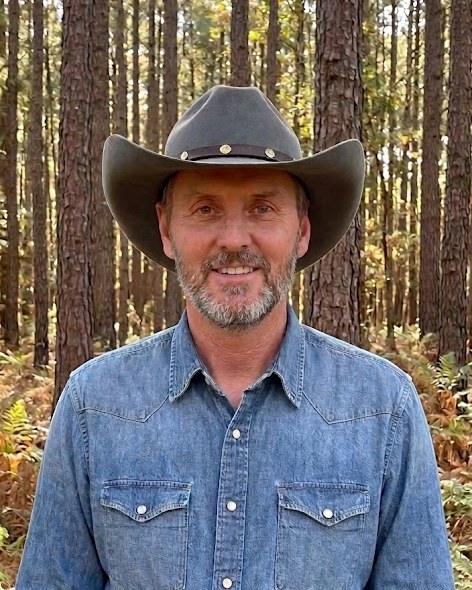
- Lives: East Texas, within an hour of the road.
- Writes: Early, longhand, before the phone starts.
- Reads: Plat books, inquest records, anything a clerk wrote without expecting an audience.
- Series: The Sandy Acres novels. The Only Road In is the first.
Be first to know.
A few emails a year, and only when there's a new Sandy Acres novel coming.
The announcement, the release date, and where to buy it. Nothing in between, and nothing else. Unsubscribe in one click.